Ruby Fashion Collection Watercolor: A Designer’s Honest Take
As an embroidery designer who regularly evaluates digital design files for both personal and commercial use, I always look for that special something—something that stands out without shouting. When I first opened the Ruby Fashion Collection Watercolor file, I was immediately drawn to its soft, fluid aesthetic. It feels like a gentle brush stroke on fabric, with just enough detail to make it expressive but not overwhelming. This is the kind of machine embroidery design that whispers elegance while still making a statement.
First Impressions and Design Personality
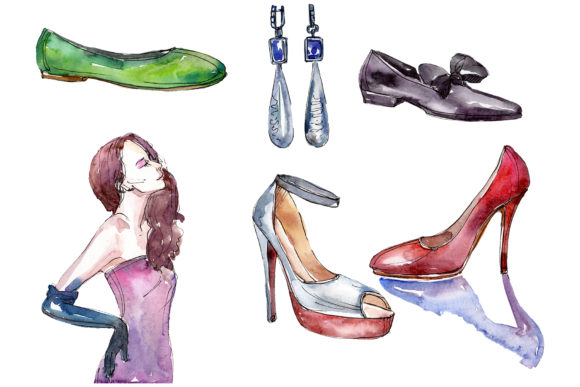
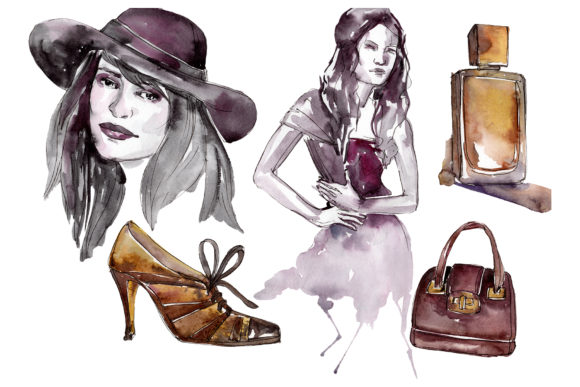
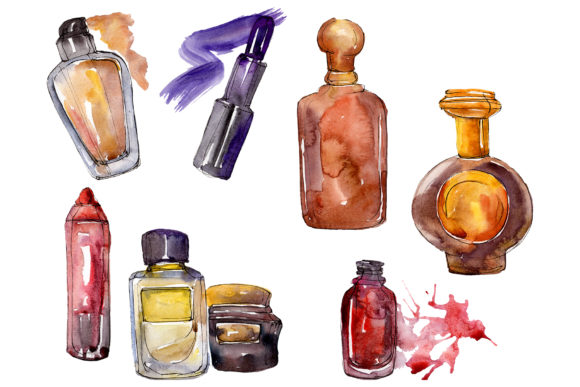
The Ruby Fashion Collection Watercolor brings a dreamy, artistic vibe to any embroidery project. Its watercolor-inspired illustrations are layered in a way that mimics transparency and blending, which is quite rare in digital embroidery files. The overall mood is romantic, vintage, and a touch whimsical—perfect for those looking to add a unique visual flair to handmade products or boutique merchandise.
What caught my attention most was the balance between shape and theme. The layout is clean and intentional, avoiding clutter while maintaining a sense of movement. The level of detail suggests this isn’t a basic applique design; instead, it leans more into the territory of embroidery illustration, where each element contributes to the story being told through the stitches.
Where This Design Shines
- Tote Bag Embroidery: The design works beautifully as a central motif on a custom tote bag. The flow of the watercolor elements complements the natural drape of cotton canvas, adding a touch of sophistication.
- Sweatshirt and T-Shirt Projects: On sweatshirts, the softness of the design translates well into a cozy, artistic feel. For t-shirts, especially those made from mid-weight knits, the colors pop subtly and don’t lose their charm after washing.
- Baby Clothes and Nursery Decor: With its delicate color transitions and gentle curves, Ruby Fashion Collection Watercolor fits right into baby embroidery projects. Think onesies, pillow covers, or even embroidered mobiles—it adds a quiet luxury to everyday items.
- Embroidered Patches and Caps: The design can be adapted into smaller formats for patches, though care must be taken due to the intricate details. For curved surfaces like caps, some simplification may be necessary to maintain clarity.
- Tea Towels and Pillows: These home goods become instant conversation starters with this design. Whether stitched using satin stitch outlines or fill stitch interiors, the artistry remains intact.
- Holiday and Wedding Gifts: The versatility of the design allows for subtle customization—like adding names or dates—which makes it ideal for personalized holiday gifts or wedding favors.
Real-World Performance and Practical Application
Let me walk you through how I’ve used this design in actual projects. Recently, I worked on a line of sweatshirts for a small shop that wanted to offer seasonal, artisanal wear. I selected a floral piece from Ruby Fashion Collection Watercolor and tested it on several fabric types before committing to production.
On medium-weight cotton fleece, the design stitched cleanly with minimal distortion. The thread colors blended nicely with the background, giving a soft, hand-painted appearance. However, when I tried the same design on a stretchy, black knit fabric, the effect was less striking. The dark base muted the pastel tones, and the fine lines didn’t stand out as intended.
This highlights an important point: the success of Ruby Fashion Collection Watercolor depends heavily on the fabric and thread contrast. As a professional, I always recommend testing the design on your target fabric first. Use a scrap piece to evaluate how the stitch density interacts with the material, especially if it’s textured or stretchy.
Stitch Clarity and Fabric Considerations
The design uses a combination of satin stitch and running stitch to define shapes and add texture. In areas with detailed corners or tiny lettering (if included), there might be a need for slight manual tweaking depending on the hoop size and fabric type. I noticed that on very thin fabrics, the stabilizer plays a crucial role in preventing puckering and ensuring the finished product looks crisp and professional.
Also, if you're considering using this for commercial embroidery—especially for digital product sellers or Etsy shops—you’ll want to ensure that the design maintains its visual appeal across different sizes and applications. While the original layout is stunning, scaling it down too much can cause small details to vanish under the needle.
Design Fit and Customer Expectations
One of the key advantages of Ruby Fashion Collection Watercolor is its ability to elevate the perceived value of a handmade product. As someone who creates both personal and branded items, I know that customers often equate quality with aesthetics—and this design delivers. It has a strong giftability factor, particularly for niche markets like boutique apparel or custom baby items.
But here’s the catch: this is not a one-size-fits-all embroidery file. It needs thoughtful application. For example, when creating a printable mockup for an online listing, I found that the design’s subtlety sometimes got lost in high-contrast lighting. So, I suggest offering multiple preview angles, including light and dark fabric backgrounds, to give potential buyers a true sense of how it will appear in real life.
When to Use Carefully
- Small Hoop Sizes: If your project requires a tight hoop, consider simplifying the design. Some of the finer elements may not translate well at smaller scales.
- Textured or Stretchy Fabrics: The design relies on smooth stitching and consistent tension. Textured materials like flannel or stretchy spandex blends could compromise stitch clarity unless properly stabilized.
- Dense Stitch Areas: There are parts of the design that require dense fill stitches. On certain fabrics, this can lead to visible bulging or stiffness, so adjusting stitch density may be necessary.
- Dark Backgrounds: The watercolor palette is best suited for lighter fabrics. On darker bases, the design can become muted or lose definition unless paired with contrasting thread colors.
- Frequent Washing: Since the design includes many fine details and lighter threads, frequent washing may cause some fading or fraying over time. Recommend pre-washing fabric if durability is a concern.
Professional Insights for Real Projects
Here are some practical tips I've picked up while working with Ruby Fashion Collection Watercolor:
- Test on Scrap Fabric First: Always stitch a sample to see how the design reacts with your specific fabric and thread setup.
- Check Thread Color Contrast: Especially if selling the finished product, ensure that the thread colors complement the base fabric and maintain visibility.
- Review Stitch Density: Dense stitch areas may need adjustment depending on the end use. Lighter garments benefit from looser fills to avoid bulk.
- Confirm Hoop Size: The full version of this design likely requires a larger hoop. If you're planning to scale it down, be sure to adjust all elements proportionally.
- Inspect Small Details: Look closely at the edges of leaves, flowers, or text. These may need reinforcement or reordering in the software to prevent gaps or misalignment during stitching.
- Test in Black and White Mockups: This helps determine whether the design will still have impact if printed or viewed in grayscale settings.
- Compare Light and Dark Fabrics: You’ll want to understand how the design behaves in different lighting conditions and on various base colors.
- Use Proper Stabilizer: A tear-away or cut-away stabilizer is recommended for stretchy or slippery fabrics to preserve stitch integrity.
- Check Licensing Before Selling: If you plan to sell finished items or digital embroidery files, confirm the licensing terms of Ruby Fashion Collection Watercolor to avoid legal issues.
Branding and Market Fit
For crafters and small business owners, this design can serve as a signature asset. It adds a cohesive, artistic touch to collections and helps build brand recognition. Whether you’re an Etsy seller offering personalized gifts or a boutique owner designing custom apparel, the Ruby Fashion Collection Watercolor offers a refined, versatile look that appeals to a wide range of tastes.
However, it's not the most straightforward file to work with. Because of its illustrative nature, it demands more attention during setup and execution than standard geometric or monogram-style designs. But for those aiming to create something memorable and marketable, the effort is worth it.
Final Thoughts for Makers and Entrepreneurs
In summary, Ruby Fashion Collection Watercolor is a standout choice for designers who want to bring a touch of artistry into their embroidery projects. It's not a generic embroidery file—it’s a curated illustration set designed with intention and beauty. That said, it does require a bit more preparation and consideration to ensure it performs flawlessly in real-world scenarios.
If you're crafting for yourself or preparing items for sale, remember to think about the final presentation. Will the design hold up after repeated washing? Does it align with your brand's visual identity? How will it look in different lighting or from various angles?
Ultimately, Ruby Fashion Collection Watercolor is a great addition to your design library if you're ready to take your handmade products to the next level. Just approach it with a clear understanding of its strengths and limitations. And always—always—test before you commit to a full batch or client order.