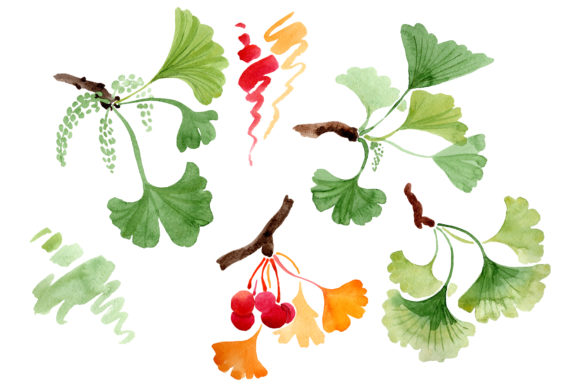
Ginkgo Biloba Watercolor for Illustrations: A Designer’s Perspective
As a graphic designer with years of experience crafting visual concepts for clients across industries, I’m always on the lookout for design assets that bring authenticity and emotional resonance to a project. When I first saw Ginkgo Biloba Watercolor, I was immediately drawn to its organic texture and subtle elegance. This illustration isn’t just another stock asset—it’s a versatile and mood-driven creative element that can elevate everything from branding materials to seasonal campaigns.
A Natural Fit for Handmade Businesses and Seasonal Campaigns
The Ginkgo Biloba Watercolor illustration feels like it was born in a studio filled with light, paper, and a sense of intention. Its soft, flowing brushstrokes and muted tones evoke a calm, earthy aesthetic that aligns well with brands centered around wellness, nature, botanicals, or anything with a handmade or artisanal vibe. It works especially well for projects targeting mindful consumers—those who appreciate thoughtful design and natural beauty.
This type of illustration naturally fits into small business branding, particularly for handmade businesses like soap makers, candle artisans, or eco-friendly product lines. The watercolor style adds warmth and approachability, which is essential when building a connection between the brand and its audience.
How It Performs in Real Design Situations
In practical terms, I’ve used this asset in several real client scenarios. One recent example involved designing packaging for a local tea company launching a fall collection. The Ginkgo Biloba Watercolor illustration became a central motif on the box lid and label, blending seamlessly with the muted autumn color palette. It gave the product line a cohesive, artistic feel without overwhelming the clean typography and minimal layout.
- Logo Design: While not ideal as a standalone logo, it can serve as an accent or background pattern in a logo mockup that leans toward a more illustrative or whimsical brand identity.
- Brand Identity: Works beautifully in supporting brand elements like icons, seals, or signature motifs. Especially useful for lifestyle or wellness brands.
- Product Labels & Packaging Design: The illustration brings a handcrafted touch to labels and packaging details, making them feel more personal and less mass-produced.
- Printable Designs: From print-on-demand stickers to wall art, the file quality ensures crisp reproduction when printed at appropriate sizes.
- Social Media Graphics: As part of campaign visuals, it adds depth to Instagram posts, Pinterest pins, and Facebook banners. The gentle colors are perfect for content that aims to soothe or inspire.
- Cricut Projects: The detailed yet manageable strokes make it suitable for die-cutting or laser engraving on cards, tags, and small decorative items.
Best Suited for Large Layout Areas and Themed Collections
One of the strengths of Ginkgo Biloba Watercolor is how it looks in large format designs. Whether you're working on posters, flyers, or website hero sections, the illustration fills space gracefully. Its layered, translucent look allows it to blend with gradients and textures, making it ideal for creating atmospheric backgrounds or focal points in editorial layouts.
I've also found it valuable in themed collections. For instance, a design bundle featuring seasonal botanicals can benefit from this illustration by tying together multiple assets in a cohesive visual language. It pairs well with other SVG illustrations or PNG graphics, offering a unified but dynamic appearance across digital and print platforms.
Use Carefully in Small Sizes and Minimalist Branding
While this illustration has a lot of charm, it's not without limitations. In smaller applications such as favicons, buttons, or tiny icons, the intricate watercolor details can become lost or muddy. The fine brushwork doesn’t scale down cleanly, so it’s best reserved for areas where it can breathe and be appreciated in full resolution.
Additionally, if your client is going for a sleek, modern, or corporate look, this asset may clash with their intended visual hierarchy. Its softness and complexity work better in creative marketplace contexts or boutique-style presentations rather than formal business reports or high-contrast digital ads.
Readability, Hierarchy, and Emotional Appeal
When integrating this illustration into text-heavy layouts, I recommend placing it in secondary positions—like headers, sidebars, or background accents. Too much presence could disrupt readability, especially if the text sits over the most detailed parts of the image. To maintain balance, I often pair it with a sans serif font for clarity and a strong contrast against the softness of the watercolor.
Its emotional appeal lies in the nostalgic, hand-painted quality. Clients have told me that incorporating such assets helps them feel more authentic and trustworthy. In today’s market, where audiences crave genuine experiences, this kind of graphic design asset can significantly enhance brand consistency and audience engagement.
Designers Should Check These Before Use
Before using Ginkgo Biloba Watercolor in a commercial context, there are a few key factors every professional should consider:
- Test in Black and White: The tonal variation in the illustration remains visible even when desaturated, making it adaptable for grayscale printing or accessibility considerations.
- Check Contrast: If placed over bright or dark backgrounds, ensure the illustration maintains enough contrast to remain legible and visually balanced.
- Preview at Different Sizes: Always review how it scales, especially for product mockups or digital assets destined for small formats like social media thumbnails.
- Inspect File Formats: Look for SVG or vector versions if you plan to modify the illustration or integrate it into scalable designs. PNG files should have transparent backgrounds for overlay flexibility.
- Confirm Commercial License: Many free illustrations aren't suited for client work. Verify that the commercial license covers all intended uses, including print-on-demand products and online sales.
- Compare Font Pairings: This illustration complements script fonts and handwritten styles best. Try pairing it with a bold display font or a clean sans serif to see what tone you want to set.
Why It Can Be a Valuable Creative Asset
What sets Ginkgo Biloba Watercolor apart is its ability to add a human touch to otherwise digital workflows. It’s not just about aesthetics; it's about emotional appeal and storytelling. Whether you’re designing a Canva template for a blogger or a sublimation design for mugs and merchandise, this illustration can help bridge the gap between mass production and personalized expression.
It’s particularly effective in web design for blogs or websites that focus on mindfulness, sustainability, or lifestyle content. Used subtly behind text or within a header, it enhances the overall impression without overpowering the message. Similarly, in editorial design, it can frame articles or introduce new sections with a soft, inviting flair.
Final Thoughts for Professional Use
If you're looking for a digital product that adds personality and warmth to your design toolkit, Ginkgo Biloba Watercolor is a solid choice. Just be mindful of the context and application. It thrives in spaces where detail and texture matter—think product mockups, packaging design, or themed collections—but may not perform as well in minimalist or high-contrast environments.
Always test it in your workflow. Place it on a real mockup to see how it interacts with the rest of your design. Review print samples if applicable. And don’t forget to inspect the file formats for scalability and transparency support.
For designers working with illustrations in creative design projects, this asset offers a refreshing alternative to rigid vectors or overly stylized clipart. It brings a sense of craftsmanship that resonates with both clients and end-users, helping your final work feel more polished and intentional.
Wrap-Up: A Thoughtful Addition to Your Design Kit
Ginkgo Biloba Watercolor isn’t a one-size-fits-all solution, but it's a powerful tool when applied correctly. It suits projects where mood and atmosphere are important—especially those tied to nature, health, or seasonal themes. Whether you're designing for a handmade business, an Etsy shop, or a local event, this illustration can contribute to a more refined and emotionally engaging outcome.
So, next time you're brainstorming for a seasonal campaign or a print-on-demand launch, consider adding this watercolor piece to your visual arsenal. Just remember to use it wisely and always confirm the commercial license before handing off to a client. With the right approach, Ginkgo Biloba Watercolor can become a standout feature in your portfolio of design assets that truly make a difference in real-world applications.